Best Turkish Carpet & Textile Tours in Turkey
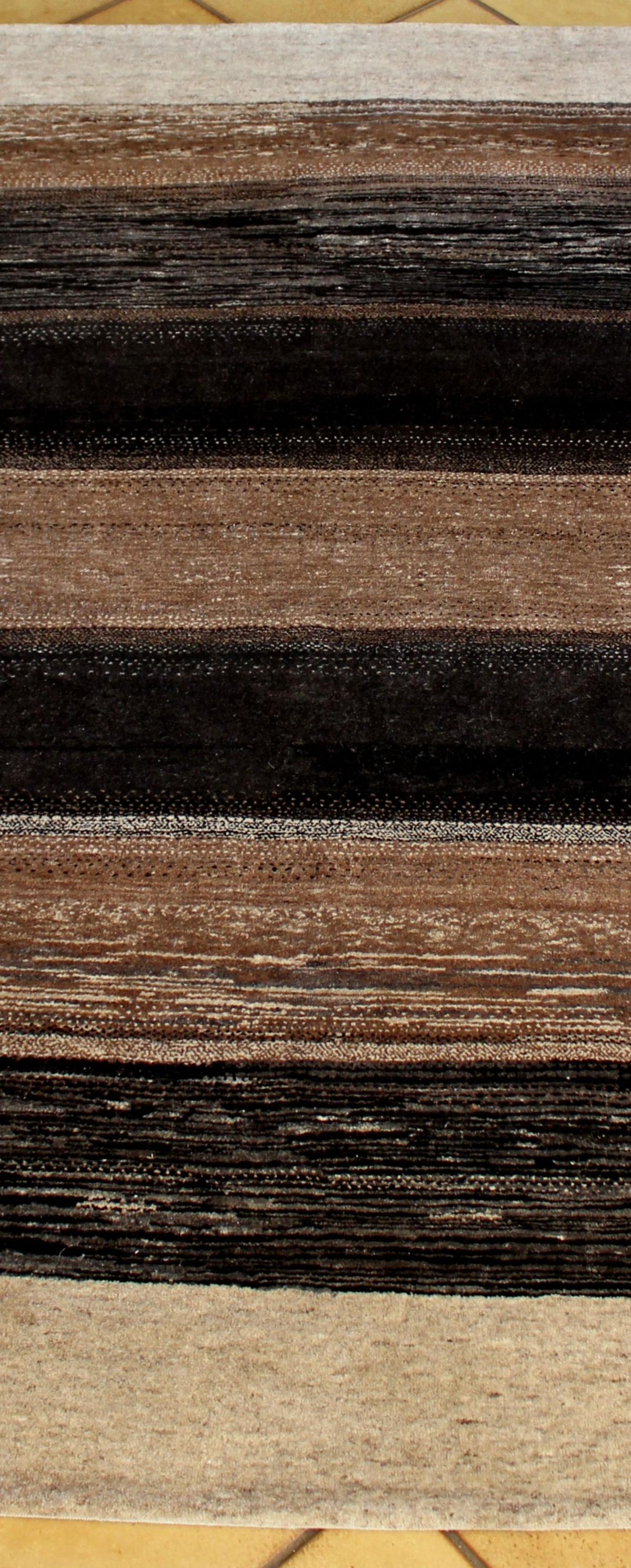
✓ Last reviewed: May 2026 — Verified and updated by our licensed Turkey travel experts. Quick Answer: A Turkish carpet tour is an immersive cultural experience in Turkey, exploring the art of hand-woven rugs. An authentic small wool carpet can start from $300-$500 USD , while larger or silk pieces can cost thousands. We recommend a dedicated 1-2 day experience within a larger trip, ideally during the spring ( April-May ) or autumn ( September-October ) for comfortable exploration of bazaars and artisan villages. What Exactly Is a Turkish Carpet? A Turkish carpet, known as halı in Turkish, is far more than a simple floor covering; it is a knotted-pile textile masterpiece, a vibrant expression of Anatolian history, and a testament to an art form passed down through millennia. Unlike a kilim, which is a flat-woven tapestry, a true Turkish carpet is created using the symmetrical "Turkish knot" or "Ghiordes knot." This double-knotting technique makes the carpets exceptionally dense, durable, and intricate. Each knot is tied by hand, with densities ranging from 40 knots per square inch in rustic village rugs to over 1,000 knots per square inch in priceless silk Hereke carpets. The soul of a Turkish carpet lies in its materials and motifs. The primary materials used are: Wool: The most common material, prized for its durability, softness, and ability to hold natural dyes. Wool-on-wool (both warp and weft are wool) is typical for nomadic and village rugs. Cotton: Often used as the foundation (warp and weft) for village and city carpets as it is stronger than wool and allows for a tighter, more precise weave. Silk: The pinnacle of luxury, silk-on-silk carpets have an incredible sheen, unparalleled softness, and allow for the most detailed and intricate designs. They are often displayed as wall hangings rather than used on the floor. The colors traditionally came from natural dyes—madder root for reds, indigo for blues, onion skins for browns, and chamomile for yellows—creati