Best Time to Visit Pamukkale: Month-by-Month Guide 2026
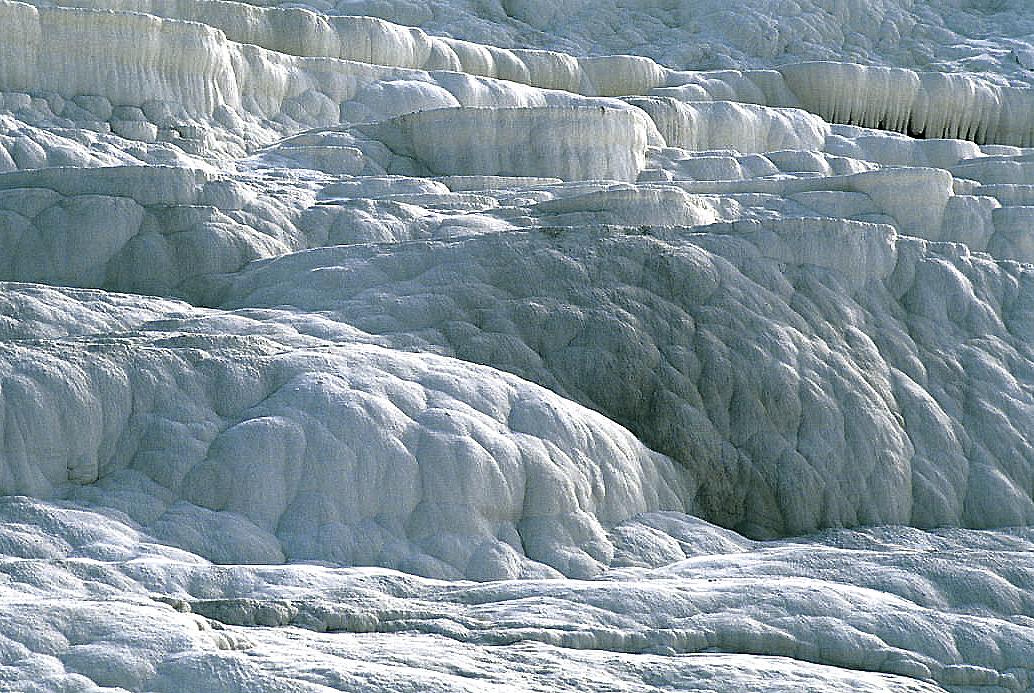
Quick answer: The best time to visit Pamukkale is during the shoulder seasons of spring (April-May) and autumn (September-October). During these months, you'll enjoy pleasant, warm temperatures perfect for walking on the travertines and exploring Hierapolis, with fewer crowds than the scorching, peak summer months. An Introduction to Pamukkale's Unique Climate Welcome! I'm İlyas Bayrak, a TURSAB-licensed guide and the founder of My Turkey Adventure. After 17 years of leading tours across our beautiful country, I can tell you that Pamukkale, the "Cotton Castle" ( Pamukkale in Türkçe), is a place where timing is everything. It's not just a geological wonder; it's a living, breathing landscape shaped by mineral-rich thermal waters. Visiting at the right time transforms a good trip into an unforgettable one. Choosing between the brilliant, blinding sun of August and the crisp, quiet air of April can completely redefine your experience on these gleaming white travertine terraces and in the sprawling ancient city of Hierapolis. This guide is designed to help you choose the perfect moment for your adventure in 2026 and beyond. How to Get to Pamukkale Pamukkale is located in Turkey's inner Aegean region, in the Denizli Province. While it seems remote, it's a well-trodden stop on most classic Turkish itineraries, making it quite accessible. By Air: The nearest airport is Denizli Çardak Airport (DNZ), located about 65 kilometers (40 miles) away. The transfer to Pamukkale takes approximately one hour by shuttle or private car. Flights connect daily from Istanbul (IST & SAW). By Bus: Turkey has a fantastic and affordable long-distance bus network. You can find direct or connecting buses to Denizli's main bus station ( otogar ) from almost every major city, including Istanbul (9-10 hours), Antalya (3-4 hours), Fethiye (4 hours), and Cappadocia/Göreme (9-10 hours, usually overnight). From the Denizli otogar, a short minibus ( dolmuş ) ride will take you to Pamukkale town itself.