Turkish Kebab Types: Guide to 20 Regional Kebabs
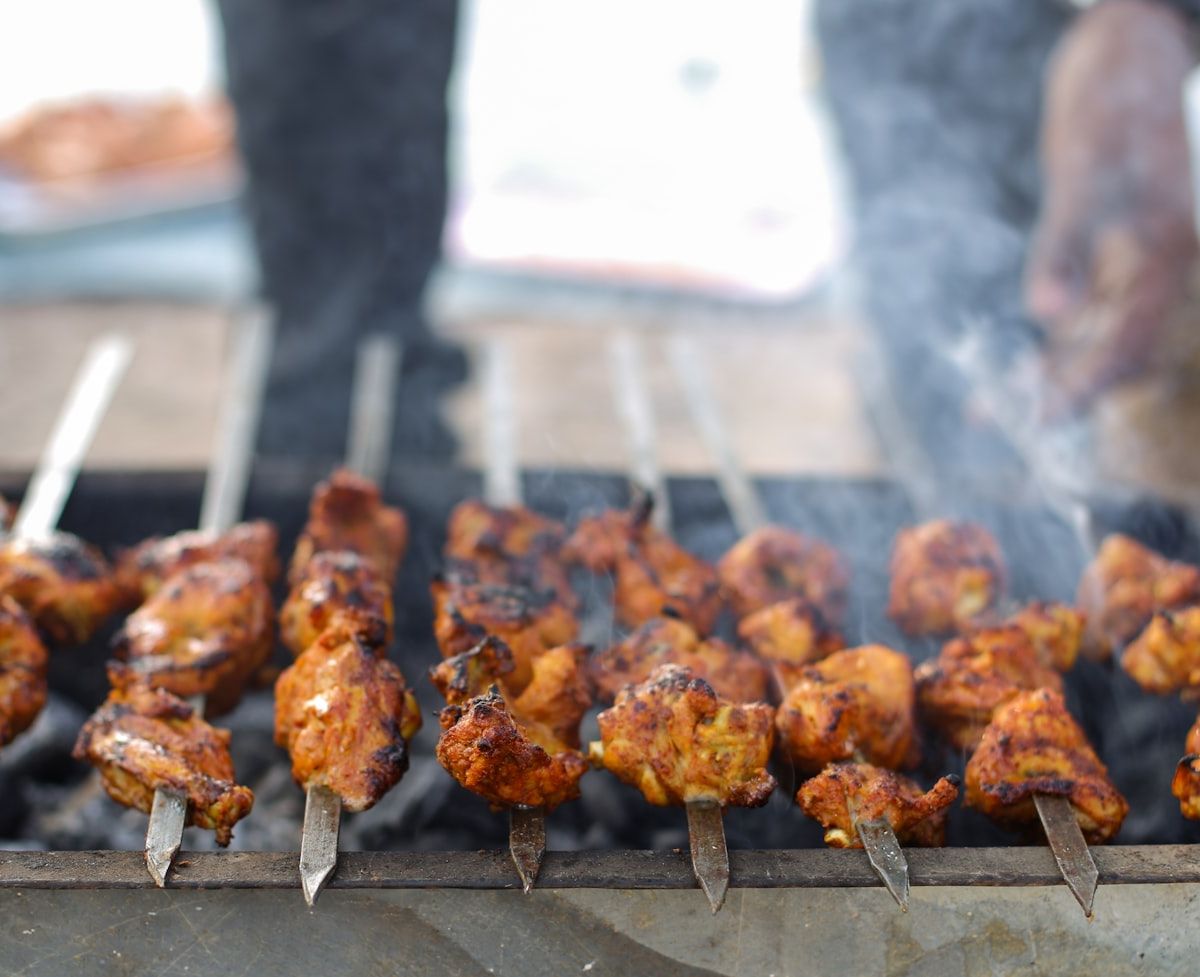
✓ Last reviewed: May 2026 — Verified and updated by our licensed Turkey travel experts. Prices, opening hours and visa rules reflect the latest 2026 guidance. Quick Answer: Turkish kebab is a vast culinary world far beyond the globally known döner. There are over 20 major regional types, from the fiery, hand-minced Adana Kebabı of the south to the mild and savory Urfa Kebabı . You'll find kebabs braised in clay pots ( Testi Kebabı in Cappadocia ), served over yogurt and bread ( İskender Kebabı ), or horizontally roasted over a wood fire ( Cağ Kebabı ). Each kebab tells a story of its region's ingredients and history, making it a cornerstone of cuisine in Turkey . What Exactly Defines a "Kebab" in Turkey? When you hear the word "kebab," you might picture slices of meat shaved from a vertical rotisserie and stuffed into a pita. While that's part of the story (hello, Döner Kebab !), in Turkey , the term "kebab" encompasses a much broader and more fascinating culinary category. The word itself, derived from Arabic, simply means "roasted meat." In Turkish culture, it has evolved to describe a diverse array of dishes where meat—primarily lamb , beef , or chicken —is the star. It's a method, a tradition, and a celebration of flavor. A kebab can be made from minced meat, cubes of meat, or even entire cuts. It can be grilled over charcoal on a skewer ( şiş ), slow-cooked in a sealed clay pot, baked in a tray, or roasted on a rotating spit. What unites them is a deep respect for the quality of the ingredients and a mastery of fire and flavor that has been perfected over centuries. Exploring the world of kebabs is essential to understanding the full spectrum of Turkish cuisine , a journey that takes you from the bustling streets of Istanbul to the ancient culinary heartlands of the southeast. Adana vs. Urfa Kebab: What's the Real Difference? This is perhaps the most common question posed at an ocakbaşı (fireside grill restaurant) in Turkey , and the answer is elegantly simple: