Turkish Hospitality Rules: Tea, Shoes at the Door and Wha...
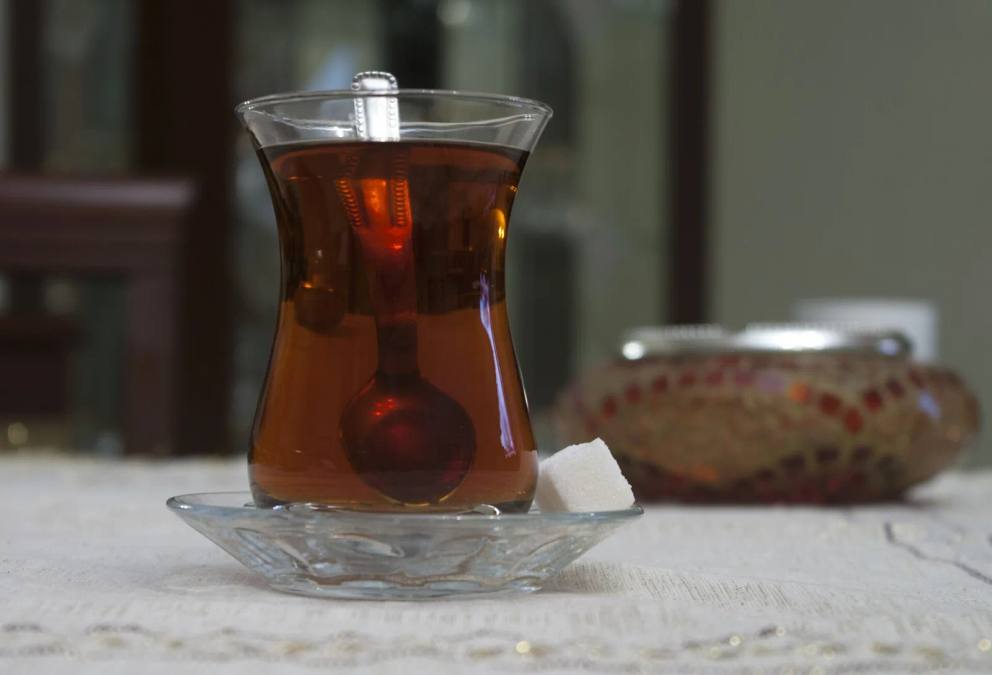
✓ Last reviewed: 29 September 2026 — Verified and updated by İlyas Bayrak, licensed Turkish guide (licence 070867), with the My Turkey Adventure editorial team. Prices, opening hours, transport fares and visa rules reflect the latest 2026 guidance. Quick Answer: Turkish hospitality, or misafirperverlik , is a cornerstone of the culture, treating guests as a gift from God. Key Turkish customs for travellers to know include removing shoes at the door, accepting the constant offers of tea or coffee as a sign of welcome, and understanding that your host will almost always insist on paying for everything, which you should graciously allow. When guests ask about restaurant tipping, I explain that even when a luxury restaurant adds a 10% 'Service Charge' to the bill, leaving an additional 5-10% tip in cash for the waiter who has personally looked after the table is a Turkish hospitality tradition. Fact Detail Core Concept Misafirperverlik (Hospitality) - A guest is considered a gift from God. Key Belief Misafir kısmetiyle gelir (A guest arrives with their own fortune/sustenance). Essential Ritual Çay (Tea) is offered everywhere, from homes to shops to banks. Non-Negotiable Custom Removing shoes upon entering a private home is a sign of respect. UNESCO Heritage Turkish coffee culture and tradition is on the UNESCO Intangible Cultural Heritage list. Payment Etiquette The host always pays; fighting over the bill is a show of generosity. Regional Variation Hospitality is strong everywhere in Türkiye , but its intensity increases from big cities to rural Anatolian villages. What Is Turkish Hospitality (Misafirperverlik) at Its Core? At the heart of Turkish traditions is the concept of misafirperverlik (hospitality). This isn't just about being polite; it's a deeply ingrained cultural and moral code. The old Turkish proverb, “Misafir kısmetiyle gelir,” translates to “A guest comes with their own fortune.” This means a visitor is never a burden; rather, they bring blessings and a