Trabzon 2026 Guide: Sumela, Boztepe & Highlands
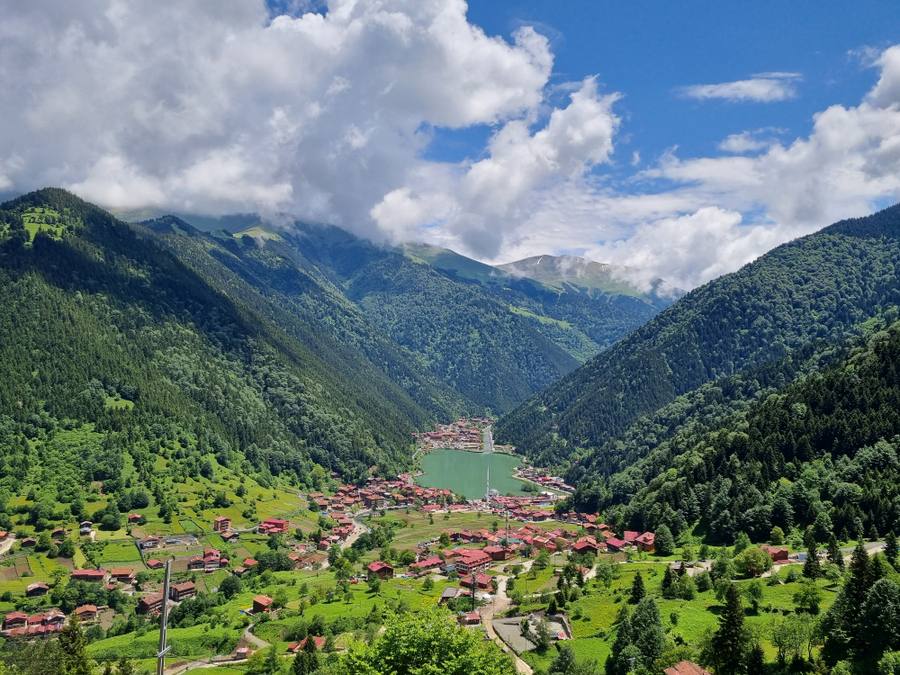
✓ Last reviewed: 29 September 2026 — Verified and updated by İlyas Bayrak, licensed Turkish guide (licence 070867), with the My Turkey Adventure editorial team. Prices, opening hours, transport fares and visa rules reflect the latest 2026 guidance. Trabzon is the Black Sea's largest city and nothing like the Aegean or the Mediterranean. The hills behind it are green to the point of unreasonable, it rains in every month of the year, the kitchen is built on anchovies, cornbread and butter rather than olive oil, and the mountain roads climb from sea level to alpine plateau in ninety minutes. For travellers from the Gulf it has become the most-visited region in Türkiye after Istanbul; for Western visitors it is still largely undiscovered. Quick answer: how many days do you need? Three nights in Trabzon covers the city, Sumela Monastery and one highland day. Four to five nights lets you add Uzungöl and the Ayder–Kaçkar plateaus without rushing the mountain roads, which are slower than the map suggests. Trabzon has direct flights from Istanbul in ninety minutes, so it works as a self-contained trip rather than an add-on. In Black Sea cooking, I encounter local ingredients such as maize flour, kolot cheese and Anzer honey. For authentic Vakfikebir bread and special mihlama experiences, I choose small, family-run restaurants in the highlands rather than tourist establishments. On crossings to Giresun Island (Aretias), the Black Sea's only habitable island, I find that wave heights can rise suddenly. I check private-boat berthing permissions with the coastguard and harbour authority at the time of arrival. Sumela Monastery — the reason most people come Sumela is a fourth-century Greek Orthodox monastery built into a cliff face 1,200 m above the Altındere valley, 50 km south of the city. It closed in 2015 for rockfall stabilisation and reopened in stages; the main rock church, frescoes and monk cells are accessible again, with a shuttle from the valley car park to the upper g