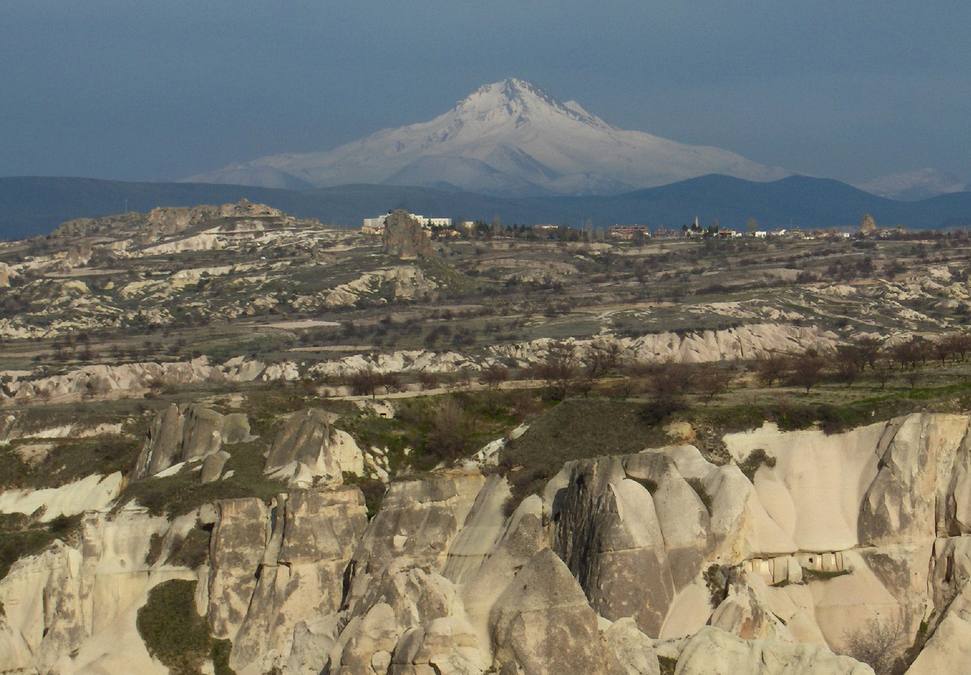
Mount Erciyes, Kayseri: Skiing and Hiking the Volcano Abo...
✓ Last reviewed: 29 September 2026 — Verified and updated by İlyas Bayrak, licensed Turkish guide (licence 070867), with the My Turkey Adventure editorial team. Prices, opening hours, transport fares and visa rules reflect the latest 2026 guidance. Quick Answer: Mount Erciyes is a magnificent 3,917-metre dormant volcano that not only created the iconic landscapes of Cappadocia but now stands as one of Turkey’s premier destinations for winter sports. The Erciyes Ski Resort offers a world-class experience with modern facilities and extensive runs, making a visit absolutely worthwhile for anyone from beginner skiers to seasoned mountaineers seeking a unique adventure in Türkiye. Fact Detail Location Kayseri Province, Central Anatolia, Türkiye Type Stratovolcano & Ski Resort What it is The highest peak in Central Anatolia (3,917 m / 12,851 ft) and a major center for skiing in Turkey . Entry Free to access the mountain area; a lift pass is required for the ski resort. Typical Visit Length 1-2 days for skiing or sightseeing; a 2-day expedition for a guided summit climb. Nearest Airport Kayseri Erkilet Airport (ASR) Driving Time from Kayseri About 30-40 minutes (25 km) Best Months December to March for skiing; June to September for hiking. What Is Mount Erciyes and Why Is It So Important to Cappadocia? As licensed guides, we often get asked about the origins of Cappadocia’s surreal "fairy chimney" landscape. The answer lies towering on the horizon, southeast of the region: Mount Erciyes . Known in Turkish as Erciyes Dağı , this colossal stratovolcano is the highest mountain in Central Anatolia. Millions of years ago, during its active phases, Mount Erciyes —along with its neighbours, Hasan Dağı and Göllü Dağ —blanketed the region in hundreds of metres of volcanic ash and basalt. This material, known as tuff, settled and compressed into a soft, porous rock. Over millennia, wind and water went to work, eroding the soft tuff while leaving the harder basalt caps, sculpting