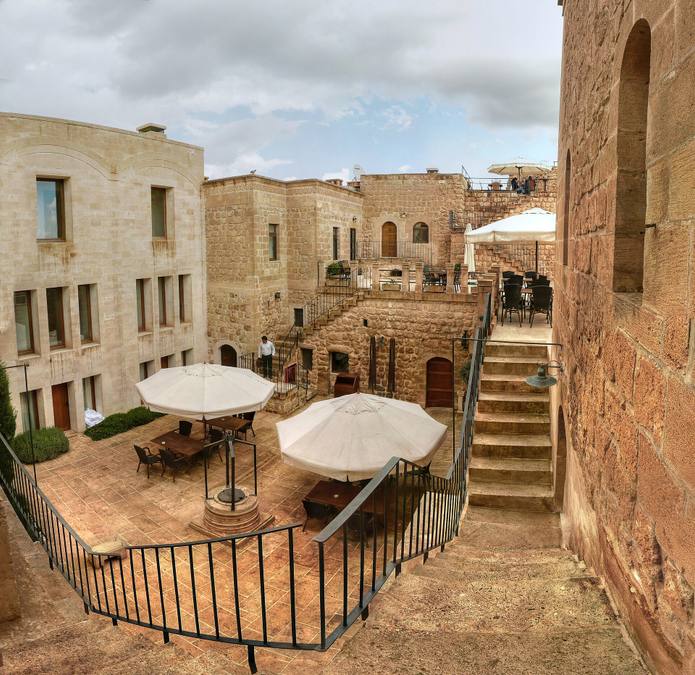
Midyat & Tur Abdin: Syriac Monasteries in Golden Stone
✓ Last reviewed: 29 September 2026 — Verified and updated by İlyas Bayrak, licensed Turkish guide (licence 070867), with the My Turkey Adventure editorial team. Prices, opening hours, transport fares and visa rules reflect the latest 2026 guidance. Quick Answer: Yes, Midyat and the Tur Abdin plateau are absolutely worth visiting. This unique corner of Mardin province in southeastern Turkey is the historic heartland of the Syriac people, offering a mesmerising landscape of golden-stone towns, ancient monasteries, and a living culture that stretches back to the earliest days of Christianity. A visit to Midyat, Turkey , is a journey into a world apart, rich in history, art, and profound faith. Fact Detail Location Midyat town and Tur Abdin plateau, Mardin Province, Southeastern Anatolia, Turkey . Period / Type Late Antique & Medieval Monasteries; Ottoman-era stone town architecture. What It Is The spiritual centre of the Syriac Orthodox Church, featuring active monasteries, historic churches, and the town of Midyat known for its architecture and crafts. UNESCO Status The "Historic Town of Midyat and Surrounding Area ( Tur Abdin )" was added to the UNESCO World Heritage Tentative List in 2021 . Entry Varies. Most monasteries accept visitors but may request a small donation. Opening hours are irregular; confirm locally on the day of your visit. Typical Visit Length 1-2 full days to explore Midyat and the key monasteries. Nearest Airport Mardin Airport (MQM), approximately 80 km away. Driving Time from Mardin About 1 hour to Midyat town (65 km). Best Months March-May and September-November, for pleasant temperatures. What Is the Golden Stone Plateau of Tur Abdin? Tur Abdin , a name that resonates with ancient history, is a hilly limestone plateau east of Mardin. In the Syriac-Aramaic language, it means ‘Mountain of the Servants of God’, a fitting name for a landscape that has been a bastion of monasticism and Syriac Orthodox Christianity for over 1,500 years. This is