The Midas Monument & Phrygian Valley: Türkiye's Empty Roc...
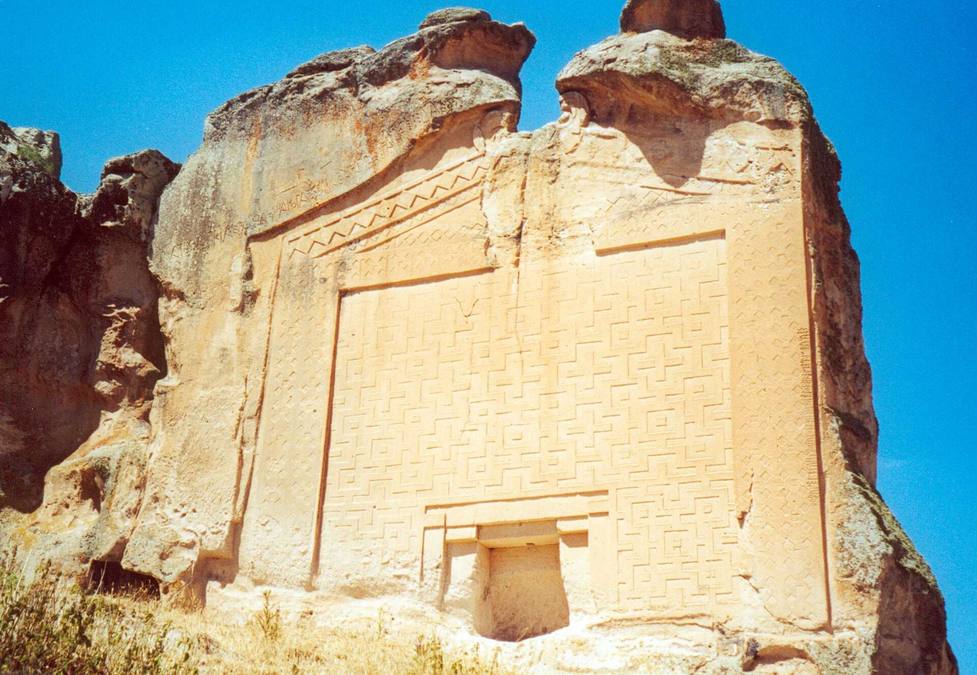
✓ Last reviewed: 29 September 2026 — Verified and updated by İlyas Bayrak, licensed Turkish guide (licence 070867), with the My Turkey Adventure editorial team. Prices, opening hours, transport fares and visa rules reflect the latest 2026 guidance. Quick Answer: The Midas Monument and Phrygian Valley form an incredible, off-the-beaten-path archaeological route through Türkiye’s Anatolian heartland. It is absolutely worth visiting for adventurous travellers who prefer exploring vast, empty historical landscapes over crowded sites, offering a raw and authentic glimpse into the ancient Phrygian kingdom without the tour buses. Fact Detail Location The Phrygian Valley (Frig Vadisi) spans Eskişehir, Afyonkarahisar & Kütahya provinces. The Midas Monument is in Eskişehir, near Yazılıkaya village. Period / Date Iron Age, Phrygian Kingdom (primarily 8th to 6th centuries BC ), with later Byzantine use. What It Is A vast landscape of rock-cut tombs, fortresses, and religious monuments, including the iconic Midas Monument facade. UNESCO Status On Türkiye's Tentative List since 2015 as the "Mountainous Phrygia Archaeological Site". Entry Almost all sites are free and unstaffed. Ayazini has a small, nominal fee for its main complex (confirm locally). Typical Visit Length 2 hours for Midas City ; 2 full days to explore the wider valley. Nearest Airport Eskişehir ( AOE ), Ankara Esenboğa ( ESB ). Driving Time ~1.5 hours from Eskişehir; ~3.5 hours from Ankara; ~1 hour from Afyonkarahisar. Best Months April-June and September-October. What Is the Midas Monument? The Midas Monument , known in Turkish as Yazılıkaya ( Inscribed Rock ), is the undisputed crown jewel of the Phrygian Highlands. Carved directly into a sheer rock face in the 8th or 7th century BC , this staggering facade stands 17 metres (56 feet) high. It is not a tomb, but a monumental open-air shrine dedicated to the great Phrygian mother goddess, Matar Kubileya , later known to the Greeks and Romans as Cybele . The facade