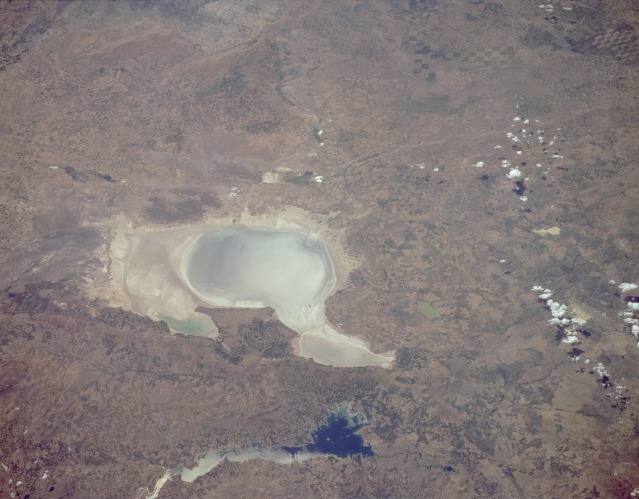
Lake Tuz (Tuz Gölü): Türkiye's Pink Salt Lake, Explained
✓ Last reviewed: 29 September 2026 — Verified and updated by İlyas Bayrak, licensed Turkish guide (licence 070867), with the My Turkey Adventure editorial team. Prices, opening hours, transport fares and visa rules reflect the latest 2026 guidance. Quick Answer: Lake Tuz, or Tuz Gölü in Turkish, is a vast, surreal salt lake in central Türkiye that turns a stunning shade of pink in the summer. It's absolutely worth visiting, especially as a convenient and unforgettable stop on a transfer day between Ankara and Cappadocia , offering a chance to walk on a crust of pure salt and capture otherworldly photos of a unique natural wonder. Fact Detail Location Central Anatolia, bordering Ankara , Konya , and Aksaray provinces. The main visitor access is near Şereflikoçhisar . Period / Type Natural Site; Tectonic Hypersaline Lake What It Is Türkiye's second-largest lake, which largely dries in summer to reveal a vast, walkable salt flat. UNESCO Status On the UNESCO World Heritage Tentative List since 2013 . Entry Free to access the main visitor area (last checked September 2026 ). Typical Visit Length 45 - 90 minutes. Nearest Airport Ankara Esenboğa Airport (ESB) Driving Time from Nearest Big City About 90 minutes from Ankara . Best Months July to early September for the dry white crust and pink/red water. What Is Lake Tuz (Tuz Gölü)? Lake Tuz , whose name literally translates to "Salt Lake" ( Tuz Gölü ), is an immense, otherworldly landscape in the heart of Türkiye's Central Anatolian plateau. It is the second-largest lake in the country and one of the largest hypersaline lakes on Earth. This vast, shallow body of water sits in a tectonic depression, fed by groundwater but with no outlet. In the wet winter and spring months, it covers a huge area but is typically only one to two metres deep. Its true magic is revealed in the late summer when the intense heat evaporates the water, leaving behind a thick, dazzlingly white crust of salt that stretches for kilometres to the horiz