Karahantepe Turkey Guide 2026: Site, Safety & Tours
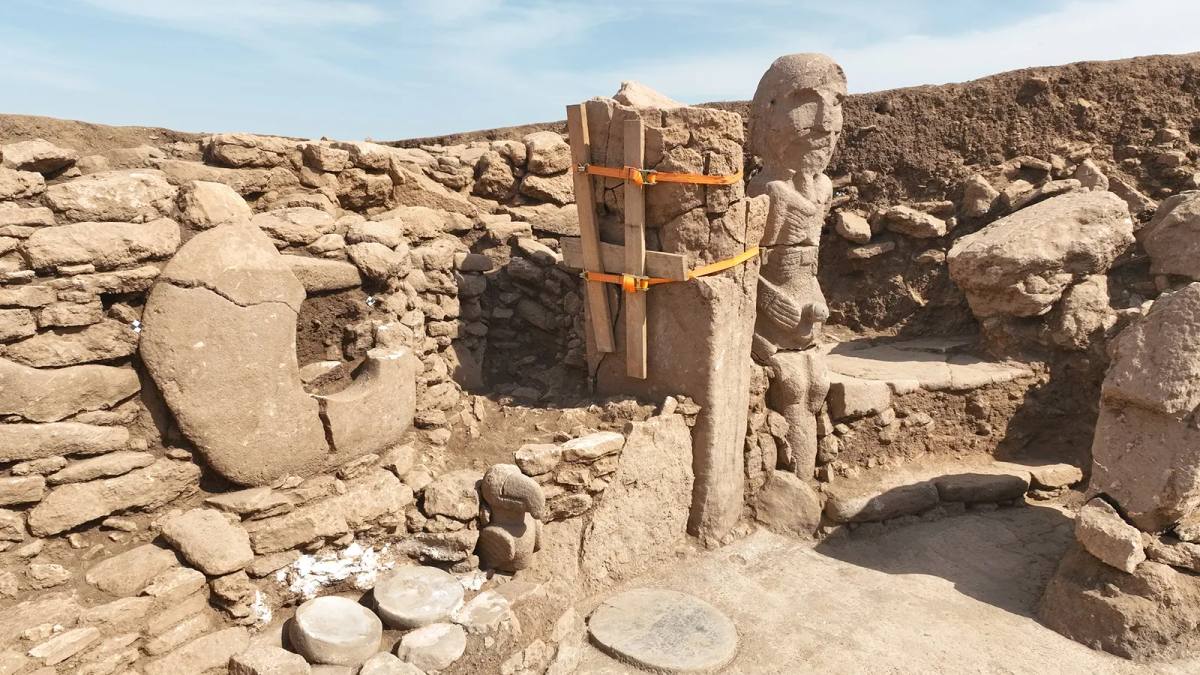
✓ Last reviewed: 22 September 2026 — Verified and updated by our licensed Turkey travel experts. Prices, opening hours and visa rules reflect the latest 2026 guidance. Quick Answer: Karahantepe is a 11,400-year-old Neolithic sanctuary in southeastern Turkey , roughly 35 km southeast of Şanlıurfa and only 46 km from its more famous sister site Göbekli Tepe . Excavated since 2019 under the Taş Tepeler Project , it reveals 250+ T-shaped pillars, life-sized human statues and a haunting chamber of carved phallic columns — making it the most exciting archaeological discovery in Turkey right now. You can visit Karahantepe as an optional add-on to our Eastern Turkey private tour , subject to current regional safety conditions. 2026 EXCAVATION UPDATE A Human Seated on a Leopard: Karahantepe's Unprecedented New Sculpture Quick answer: On 25 August 2026 , Türkiye's Ministry of Culture and Tourism announced an approximately 11,000-year-old , 70-centimetre composite sculpture from Karahantepe. It depicts a human figure seated on the back of a leopard and was found in situ on a bench inside a stone-paved circular structure about three metres across. Verified facts about the 2026 Karahantepe discovery Question Verified answer What does it show? A human figure seated on a leopard How old is it? Approximately 11,000 years — the Ministry's current estimate How large is it? 70 cm tall Where was it found? On a bench inside a 3 m circular, stone-paved structure When was it announced? 25 August 2026 Which project? 2026 Heritage for the Future excavation season Why does the image matter? Human-animal imagery is familiar across the Taş Tepeler landscape, but this arrangement is not. An earlier Karahantepe sculpture shows a human carrying a leopard; the new carving reverses that relationship by placing the person above the animal. Independent archaeologists have suggested themes such as power or mastery over a dangerous predator, but that is interpretation, not a settled conclusion. The two