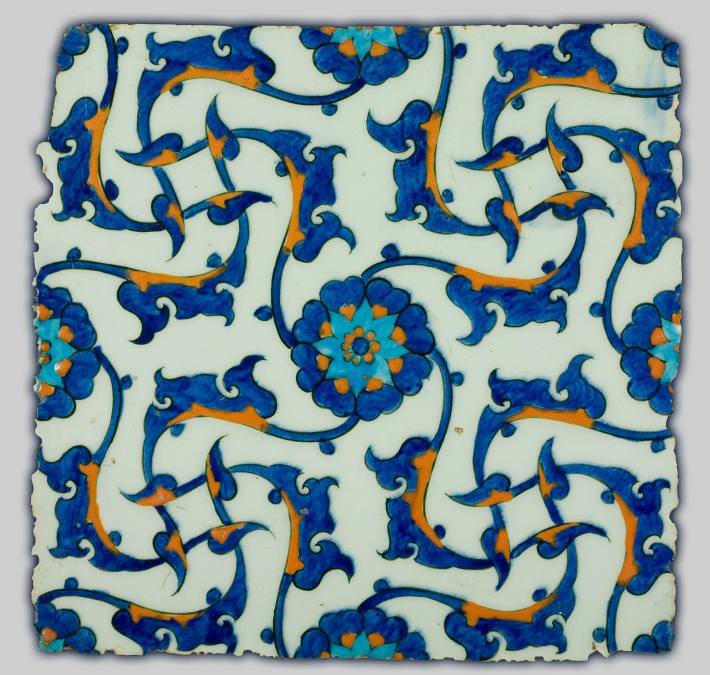
Iznik and Kütahya Tiles (Çini): How to Tell Hand-Painted ...
✓ Last reviewed: 29 September 2026 — Verified and updated by İlyas Bayrak, licensed Turkish guide (licence 070867), with the My Turkey Adventure editorial team. Prices, opening hours, transport fares and visa rules reflect the latest 2026 guidance. Quick Answer: To tell authentic hand-painted Turkish çini from mass-produced fakes, look for the subtle imperfections of a human touch. Check for faint charcoal lines under the glaze from the stencil, variations in brushstroke thickness, a slightly raised texture on the deep red colour, and minor differences between supposedly identical pieces. Genuine Iznik tiles and Kütahya ceramics are also heavier and have an unglazed base, often with a maker's mark. Fact Detail Main Hubs Kütahya (the living commercial centre), Iznik (the historical imperial centre, now with revival workshops) Best Season to Visit Workshops are open year-round; travel in Türkiye is most pleasant in spring and autumn. See our guide on the best time to visit Turkey . Key Distinction Iznik ware is a hard, heavy quartz-rich fritware; Kütahya ware is a lighter, more porous clay-based ceramic. UNESCO Status "Traditional craftsmanship of Çini-making" was inscribed in 2016 on the UNESCO Representative List of the Intangible Cultural Heritage of Humanity. Price Band (Souvenir) $25 - $100 USD for a small, genuinely hand-painted tile or plate. Price Band (Collector) $200 - $10,000+ USD for large panels, master-level works, or historically significant revival pieces. What Is Turkish Çini and Why Is It So Famous? When you walk through the palaces and mosques of Istanbul , you are surrounded by an explosion of colour and pattern. This is çini (pronounced chee-nee), the art of Turkish underglaze-painted tiles and ceramics. The name itself comes from the Turkish word for "Chinese," a nod to the deep respect Ottoman artisans had for Chinese porcelain, which they sought to emulate and, ultimately, surpass. But Turkish çini is much more than a decorative art. It is the