Troy & Bronze Age Anatolia (3000–1200 BC): Homer's City a...

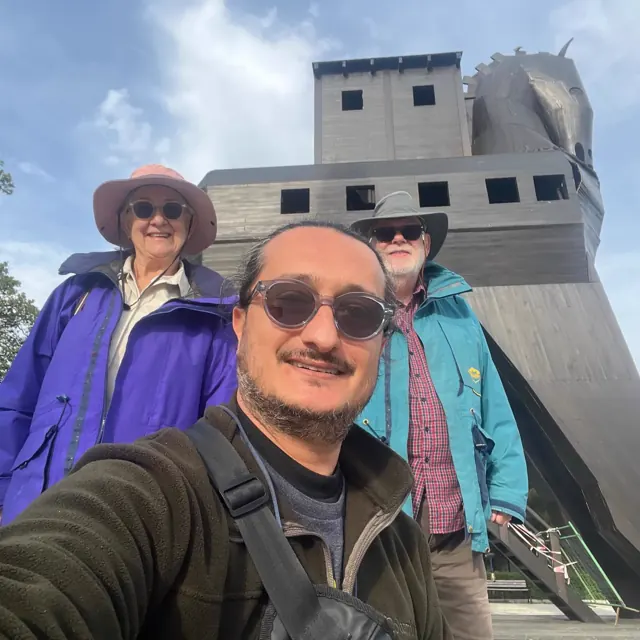
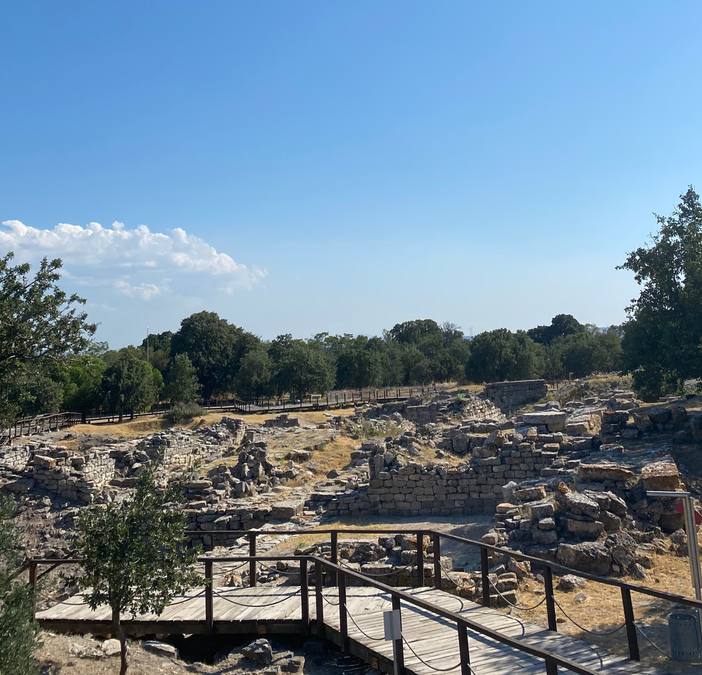
✓ Last reviewed: May 2026 — Verified and updated by our licensed Turkey travel experts. Prices, opening hours and visa rules reflect the latest 2026 guidance. This article on Troy and Bronze Age Anatolia is part of our reverse-chronology exploration of this country's fascinating past; you can find the full History of Türkiye series here. Quick Answer: Bronze Age Anatolia ( c. 3000–1200 BC ) was a vibrant era of competing kingdoms, monumental cities, and the dawn of literacy in the region we now call Türkiye. The most legendary site is Troy (Hisarlık), the setting for Homer's Iliad , while the Assyrian merchant colony of Kanesh-Kültepe gives us Anatolia's first-ever written records, and sites like Alacahöyük reveal the astonishing wealth of pre-Hittite rulers. Welcome, fellow history lovers and adventurers! As your expert guide to the deep and layered story of Türkiye, I invite you to travel back with me, past the Ottomans and Romans, beyond the Persians and Greeks, to a time of heroes, empires, and epic conflict: the Bronze Age. This was the world that forged the legend of Troy, a name that echoes through millennia. But the story of Bronze Age Anatolia is so much bigger than one city, however famous. It’s a tale of trade, innovation, and power struggles that shaped the entire ancient world. Let's dig in. Was the Trojan War Real? This is the question that has captivated poets, scholars, and adventurers for nearly 3,000 years. The short answer is: probably . The Trojan War as described in Homer's Iliad —a ten-year siege fought by Greek heroes like Achilles and Odysseus over the abducted Helen—is almost certainly a mythologized and embellished account. Homer, after all, was composing his epic poem around 750 BC , a full 400 years after the likely events took place. However, overwhelming archaeological and textual evidence points to a historical conflict, or a series of conflicts, at a powerful, strategically important city in northwest Anatolia during the Late Bronze A