Roman Anatolia (133 BC – 330 AD): How Rome Made Asia Mino...
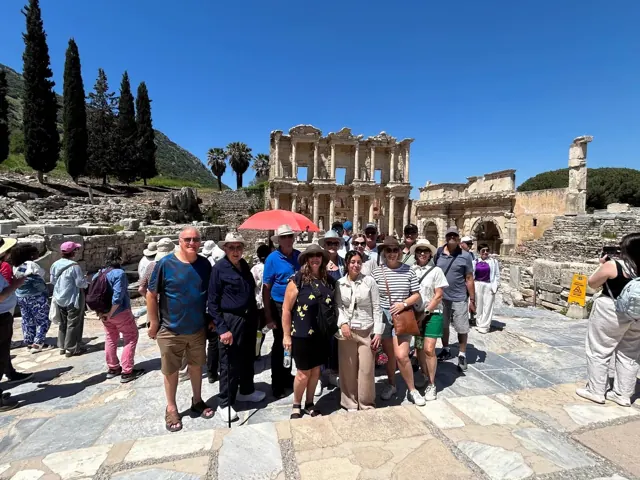
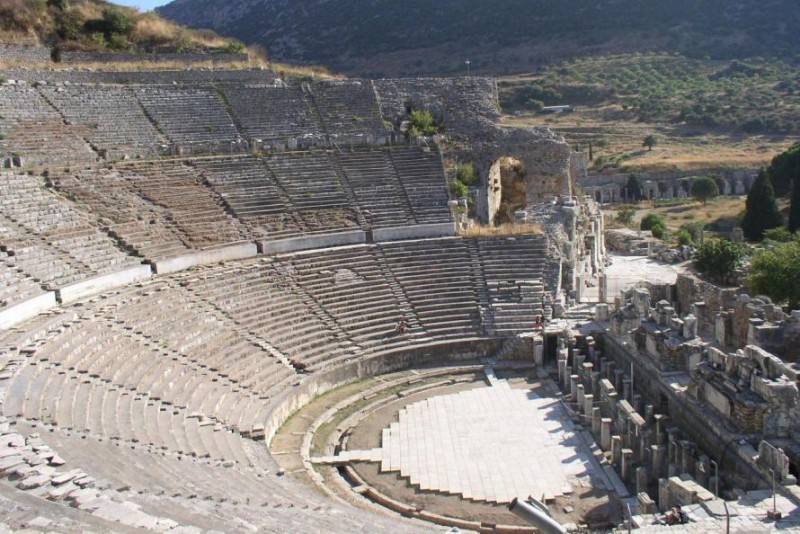
✓ Last reviewed: May 2026 — Verified and updated by our licensed Turkey travel experts. Prices, opening hours and visa rules reflect the latest 2026 guidance. This article on Roman Anatolia is part of our reverse-chronology the full History of Türkiye series . Quick Answer: Roman Anatolia (c. 133 BC – 330 AD ) refers to the period when the Roman Republic and Empire controlled Asia Minor, transforming it into their wealthiest region through provinces like Asia. Key sites like the Ephesus Library of Celsus and the Aspendos theatre showcase the immense prosperity and architectural legacy of this era in modern Türkiye. Step onto the marble-paved streets of Ephesus, feel the sun warm the stone seats of the Aspendos theatre, or gaze across the hills of Pergamon. To travel through western and central Türkiye is to walk through the heartland of the Roman Empire. For nearly five centuries, the peninsula the Romans called Asia Minor was not a forgotten backwater but the glittering jewel in the imperial crown. This was Roman Anatolia , a land of staggering wealth, booming cities, and profound cultural change that laid the groundwork for the world to come. From a bizarre inheritance to the founding of a new Rome, this period transformed the landscape of modern Turkey forever. It was an era of brutal conquest, unparalleled peace, and the birth of a new religion that would conquer the empire itself. As we explore this chapter in the incredible story of Türkiye, we’ll uncover how Rome took a collection of Hellenistic kingdoms and forged them into its most valuable asset. The journey from the ancient provinces of Asia Minor to the modern Republic of Türkiye, and understanding how Türkiye is governed today , reveals a land shaped by millennia of powerful empires. How Did Rome First Gain a Foothold in Asia Minor? Rome’s journey to mastering Anatolia began not with a bang, but with a will. In 133 BC , a strange and pivotal event occurred. Attalus III , the last king of the incredibly