Karahantepe (~9400 BC): The 11,400-Year-Old Origin of Ana...
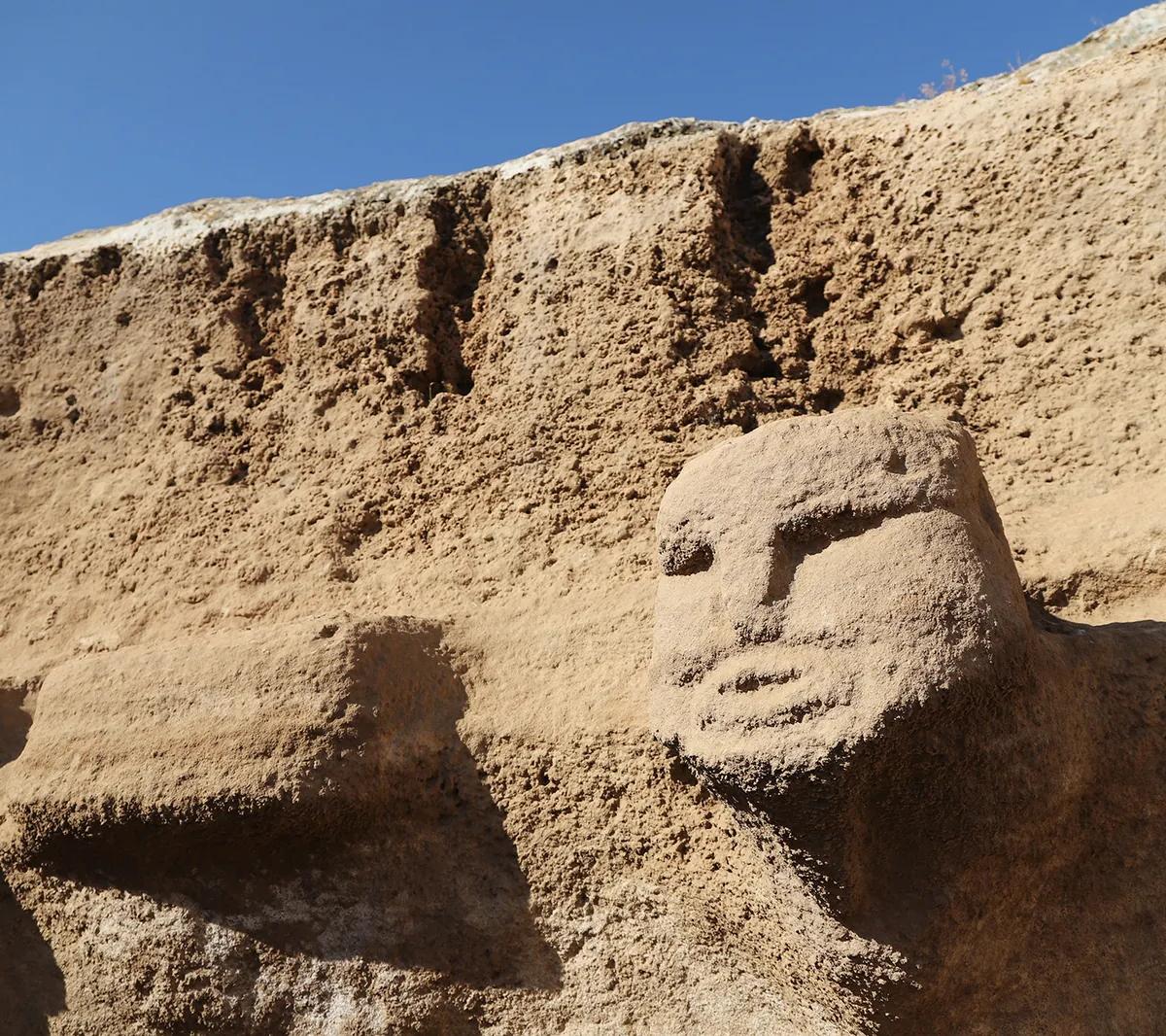
✓ Last reviewed: May 2026 — Verified and updated by our licensed Turkey travel experts. Prices, opening hours and visa rules reflect the latest 2026 guidance. This article is the deepest dive in our reverse-chronology exploration of Anatolian history; you can explore the full History of Türkiye series to journey from the modern republic back to the dawn of time. Quick Answer: Karahantepe is a revolutionary archaeological site in southeastern Turkey, dating back to approximately 9400 BC , making it 11,400 years old . It's a key part of the Taş Tepeler ('Stone Hills') culture and is considered a sister site to the famous Göbeklitepe. Built by sophisticated hunter-gatherers, this pre-agricultural ritual complex is famed for its chamber of 11 phallic pillars carved from bedrock and a striking human sculpture, fundamentally changing our understanding of early human society. What is Karahantepe and Why is it So Important? Imagine a time before the pyramids, before Stonehenge, even before humanity had begun to farm. Now, picture a society of hunter-gatherers with the architectural vision and social organization to carve a monumental ceremonial center out of a rocky hilltop. This is Karahantepe (also spelled Karahan Tepe), a site that has sent shockwaves through the world of archaeology. Located in the Tek Tek Mountains National Park near modern Şanlıurfa in southeastern Türkiye , Karahantepe represents one of the deepest and most profound points in the story of Anatolian and, indeed, human civilization. Its importance is staggering. Dated to roughly 9400 BC , it predates the invention of pottery, writing, and the wheel by millennia. Its existence proves that complex symbolic thought, organized religion, and monumental construction were not a result of settled agricultural life, but rather, a precursor to it. The people of Karahantepe were pioneers, gathering in this sacred place for reasons we are only just beginning to comprehend, leaving behind a legacy carved in stone t