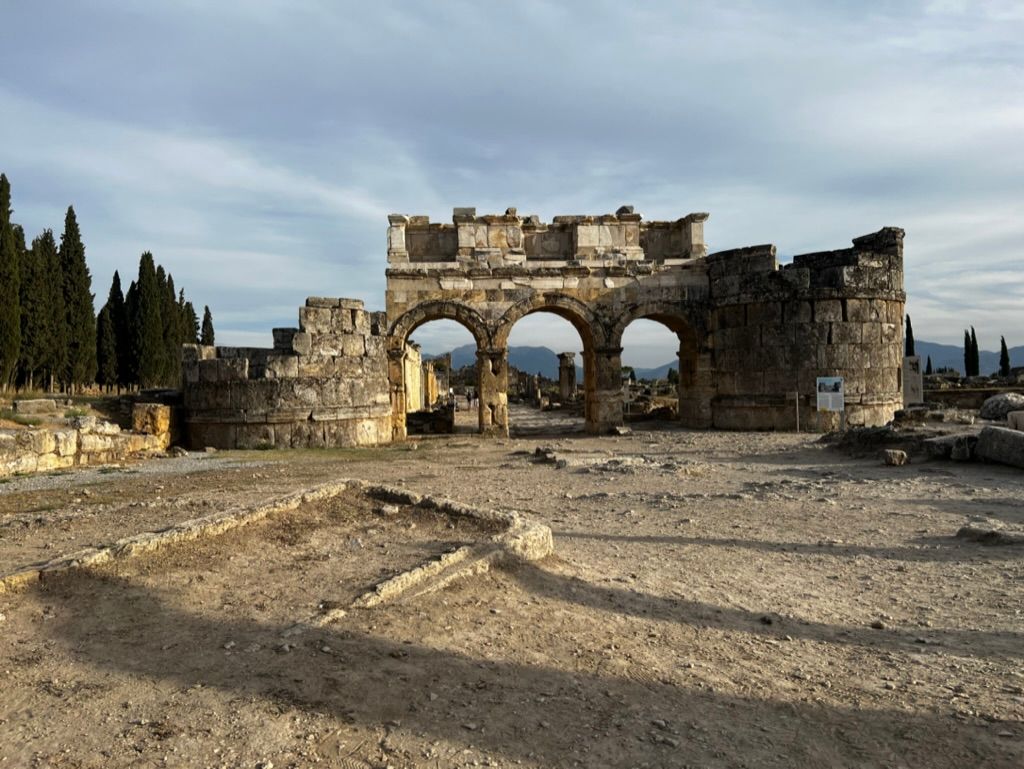
Hellenistic Anatolia (334–133 BC): Alexander the Great, P...
✓ Last reviewed: May 2026 — Verified and updated by our licensed Turkey travel experts. Prices, opening hours and visa rules reflect the latest 2026 guidance. This article is part of our comprehensive "History of Türkiye" series, exploring the incredible depth of Anatolia's past. You can explore the full History of Türkiye series to journey through the ages. Quick Answer: The era of Hellenistic Anatolia ( 334–133 BC ) began with Alexander the Great's conquest of the Persian Empire, bringing Greek language, culture, and city-planning to Asia Minor. After his death, the region was carved up by his successors, leading to the rise of powerful states like the magnificent Kingdom of Pergamon under the Pergamon Attalids and the vast Seleucid Empire in the east. How Did a Macedonian King Trigger a New Era in Anatolia? The story of Hellenistic Anatolia begins with one of history's most compelling figures: Alexander of Macedon. In the spring of 334 BC , the ambitious 22-year-old king crossed the Hellespont (modern Dardanelles Strait) from Europe into Asia with an army of around 40,000 battle-hardened Macedonian and Greek soldiers. His stated goal was to "liberate" the Greek cities of Ionia and punish the Persian Achaemenid Empire for its past invasions of Greece. But his ambition was limitless. This wasn't just a punitive expedition; it was the start of a conquest that would shatter the old world and forge a new, Greek-infused reality across the lands we now know as Türkiye. Alexander's first major test came almost immediately. At the River Granicus, not far from the legendary site of Troy, he faced a formidable Persian force. In a daring, near-suicidal cavalry charge that he led personally, Alexander smashed the Persian lines. The Battle of the Granicus was a stunning victory that broke Persian military power in western Anatolia. City after city—Sardis, Ephesus, Miletus—opened their gates. The era of Persian dominance, the subject of our previous article on Persian, Lydian &