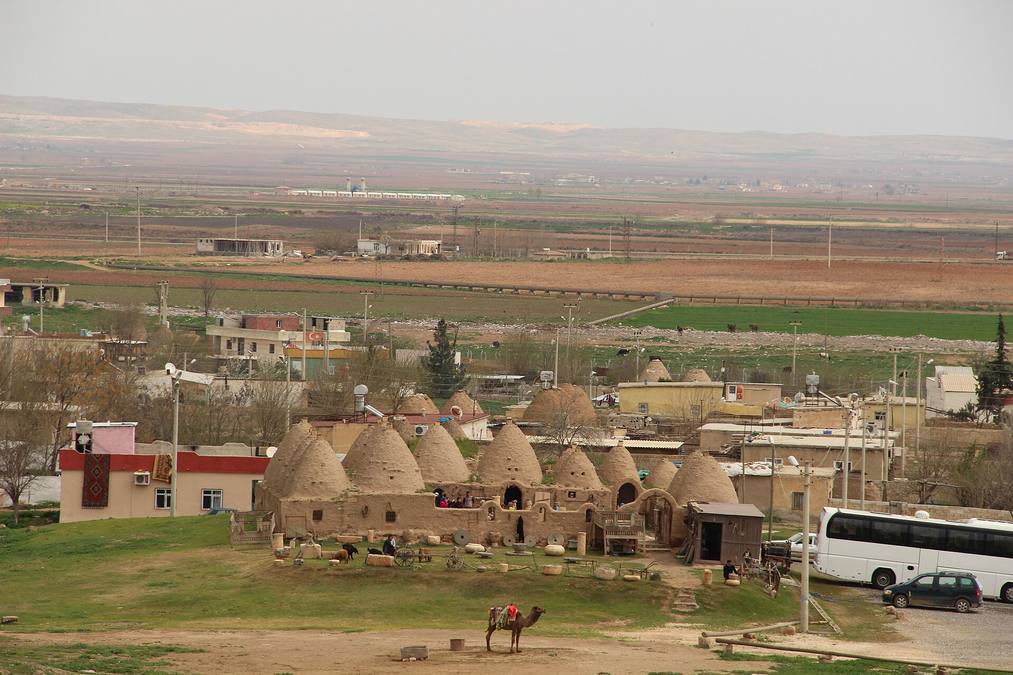
Harran: Beehive Houses and the World's Oldest University ...
✓ Last reviewed: 29 September 2026 — Verified and updated by İlyas Bayrak, licensed Turkish guide (licence 070867), with the My Turkey Adventure editorial team. Prices, opening hours, transport fares and visa rules reflect the latest 2026 guidance. Quick Answer: Harran is an ancient Mesopotamian settlement in southeastern Turkey, profoundly worth visiting for its iconic mud-brick beehive houses, biblical heritage as the home of Abraham's family, and the staggering ruins of one of the world's oldest universities. The unique atmosphere of Harran, Turkey , transports you back thousands of years, making it an essential stop on any journey through this historic region. Fact Detail Location Harran district, Şanlıurfa Province, Southeastern Anatolia, Turkey Period / Type Ancient Mesopotamian settlement; Bronze Age to modern day What It Is Archaeological site with a living village, famous for its beehive houses, castle, university ruins, and Ulu Cami UNESCO Status On the UNESCO World Heritage Tentative List since 2000 Entry A small fee is charged for the main archaeological area (last checked September 2026 , confirm locally) Typical Visit Length 2-3 hours Nearest Airport Şanlıurfa GAP Airport (GNY) Driving Time from City About 45 minutes (45 km) south of Şanlıurfa city centre Best Months to Visit March-May and September-November to avoid extreme summer heat What Is Harran and Why Is It So Famous? Welcome to Harran, a place where time seems to bend. As licensed guides who have explored every corner of our beautiful country, we can tell you that few places in off-the-beaten-path Türkiye feel as ancient and elemental as Harran. Situated on the vast Mesopotamian plain, this is one of the oldest continuously inhabited spots on Earth. Its name, which means 'crossroads' or 'caravan' in Akkadian, echoes through at least 5,000 years of history. Harran's fame comes from a powerful trifecta. First is its deep biblical and religious significance, primarily as the place where the patri