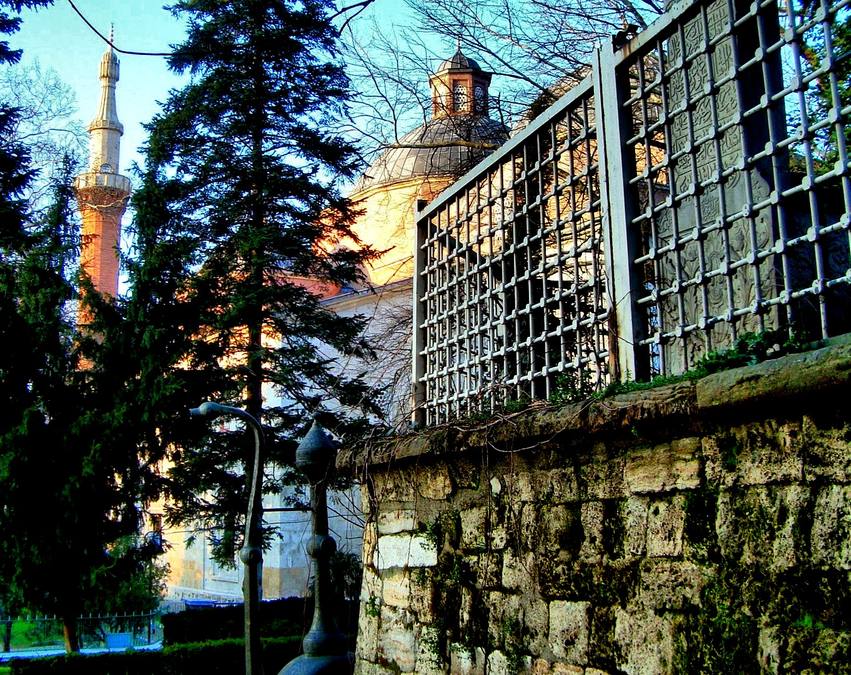
The Green Mosque & Green Tomb, Bursa: Early Ottoman Tilework
✓ Last reviewed: 29 September 2026 — Verified and updated by İlyas Bayrak, licensed Turkish guide (licence 070867), with the My Turkey Adventure editorial team. Prices, opening hours, transport fares and visa rules reflect the latest 2026 guidance. Quick Answer: The Green Mosque Bursa , or Yeşil Cami , and its accompanying Green Tomb are masterpieces of early Ottoman art and architecture, renowned for their breathtaking tilework. A visit is absolutely essential for anyone interested in history, art, and the origins of the Ottoman Empire, making it a highlight of any Bursa day trip from Istanbul . Fact Detail Location Bursa, Bursa Province, Türkiye Period / Type Early Ottoman Imperial Mosque Complex ( 1419-1424 ) What It Is A mosque, tomb, medrese (theological school), and kitchen forming a royal complex. UNESCO Status Yes, part of the 'Bursa and Cumalıkızık: the Birth of the Ottoman Empire' World Heritage Site ( 2014 ). Entry Free for the mosque and tomb. A small fee applies for the Turkish and Islamic Arts Museum in the medrese (last checked September 2026 ). Typical Visit Length About 2-3 hours for the entire Yeşil Complex (Mosque, Tomb, Museum). Nearest Airport Bursa Yenişehir Airport (YBT), Istanbul Airport (IST), Sabiha Gökçen Airport (SAW) Driving Time from Istanbul Approximately 2.5-3 hours (including ferry crossing). Best Months to Visit April-June and September-October for pleasant weather. What Are the Green Mosque and Green Tomb? The Green Mosque ( Yeşil Cami ) and Green Tomb ( Yeşil Türbe ) form the heart of a larger imperial complex, or külliye , in the historic city of Bursa, the first capital of the Ottoman Empire. Commissioned by Sultan Mehmed I Çelebi and constructed between 1419 and 1424 , this complex represents a triumphant statement of Ottoman resurgence. Following a devastating civil war, Mehmed I reunified the empire, and this complex was built to symbolise its restored power and cultural sophistication. The architect, Hacı İvaz Pasha , create