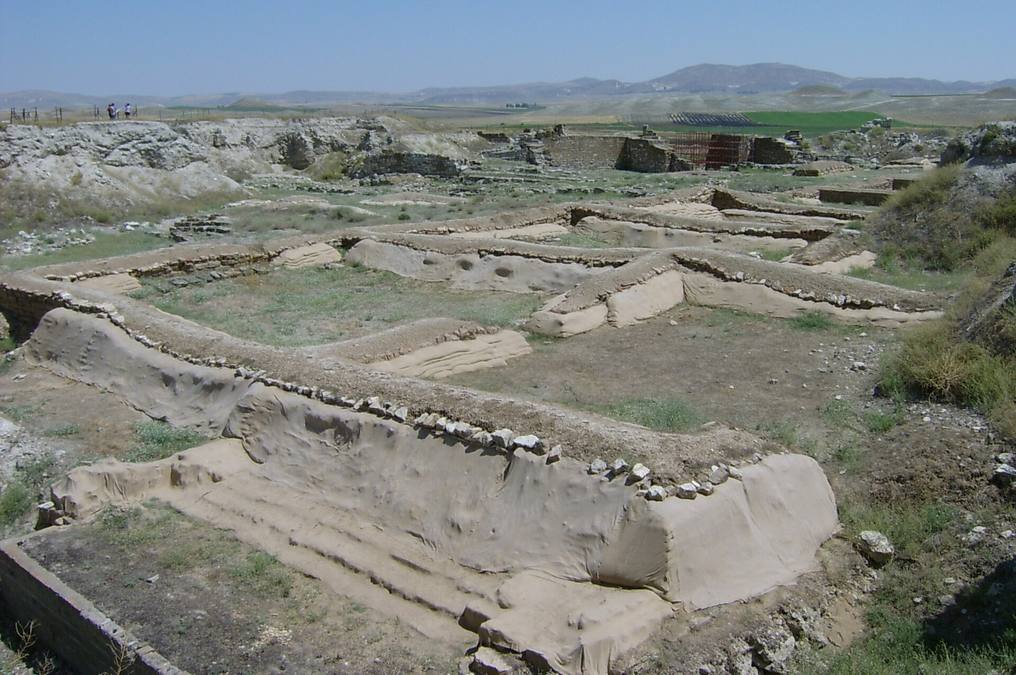
Gordion & the Tomb of King Midas: UNESCO Site Guide (2026)
✓ Last reviewed: 29 September 2026 — Verified and updated by İlyas Bayrak, licensed Turkish guide (licence 070867), with the My Turkey Adventure editorial team. Prices, opening hours, transport fares and visa rules reflect the latest 2026 guidance. Quick Answer: Gordion is the spectacular ancient capital of Phrygia, home to the legendary King Midas and the fabled Gordian Knot. Absolutely worth visiting, this recently crowned UNESCO Gordion site offers a direct portal into the Iron Age with its colossal citadel mound and the incredible royal tomb known as the Midas Mound , making it one of the most important historical destinations in all of Türkiye. Fact Detail Location Yassıhöyük, Polatlı district, Ankara Province, Türkiye Period / Date Mainly Phrygian Period (c. 1200 BC - c. 600 BC), especially 9th-8th centuries BC What It Is The capital city of the Phrygian kingdom, including a citadel mound, royal burial mounds (tumuli), and lower town. UNESCO Status Inscribed on the World Heritage List in September 2023 . Entry A single ticket covers the Citadel Mound and Gordion Museum. The Midas Mound is separate but nearby. The Turkish Müzekart is accepted. Typical Visit Length 2-3 hours is sufficient to see the main three components. Nearest Airport Ankara Esenboğa Airport (ESB) Driving Time from Ankara Roughly 1.5 hours (approx. 95 km) Best Months to Visit April-June, September-October (to avoid summer heat and winter cold) What Is Gordion and Why Was It So Important? Welcome to Gordion , or Gordium as the Romans called it! As your licensed guides to the wonders of Turkey, we're thrilled to introduce you to a site that holds a special place in Anatolian history. Located on the vast, windswept plains of Central Anatolia near modern Yassıhöyük , Gordion was the political and cultural heart of the ancient kingdom of Phrygia. The Phrygians, who flourished here during the early Iron Age after the collapse of the Hittite Empire , were masters of woodworking, metalworking, and te