Göbekli Tepe & Karahantepe: World's Oldest Temples
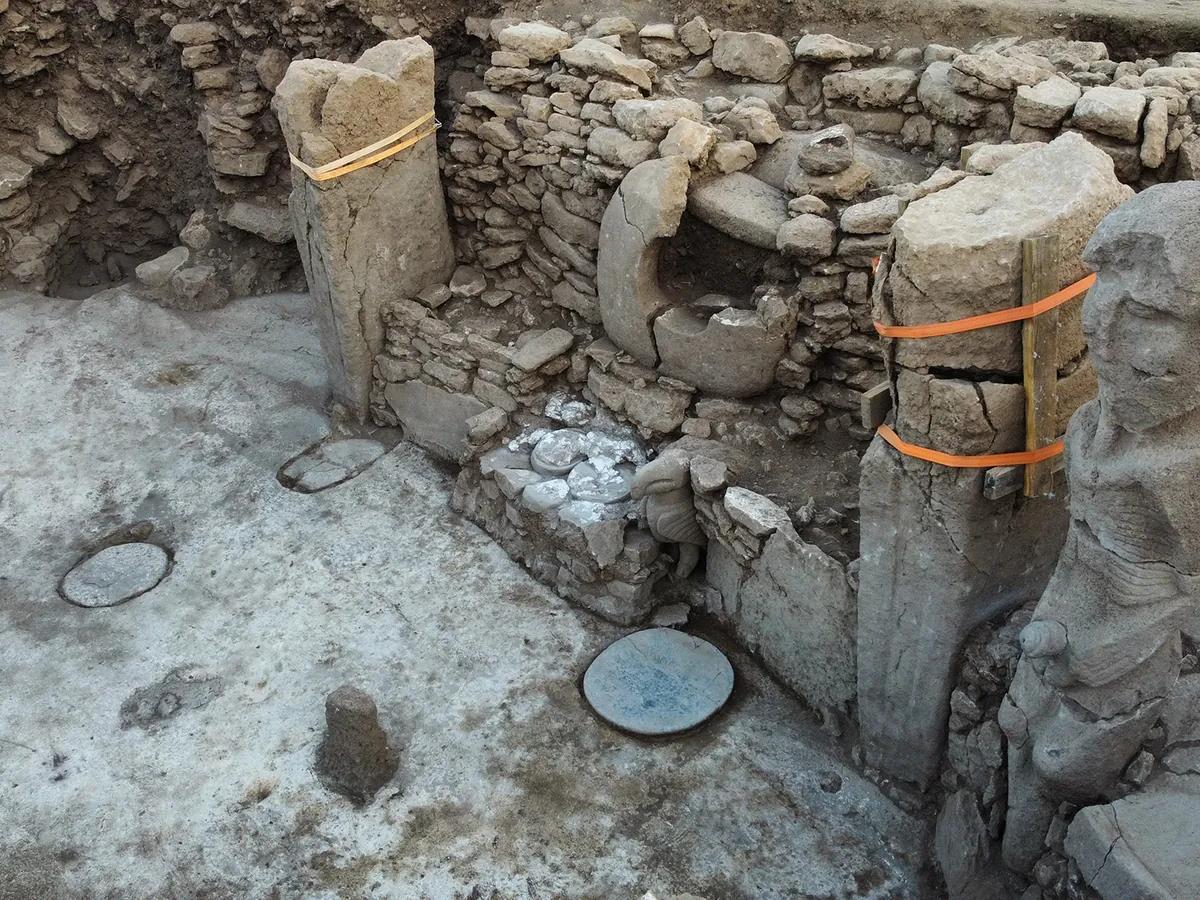
Quick Answer: Göbekli Tepe and Karahantepe are 12,000-year-old temple complexes in Turkey , predating Stonehenge by 6,000 years and revolutionizing our understanding of human prehistory. Built by hunter-gatherers in the 10th millennium BCE, these sites are best visited on a guided tour, with day trip costs from Şanlıurfa varying; you can explore potential Turkey tour costs to plan your epic journey back in time. What Are Göbekli Tepe and Karahantepe? Imagine a time long before the pyramids, before writing, before pottery, even before agriculture had taken root. In this distant past, on a series of rounded hilltops in what is now southeastern Turkey , hunter-gatherer societies undertook one of the most astonishing building projects in human history. Göbekli Tepe and Karahantepe are the breathtaking results of that effort. They are not ancient cities or settlements, but vast, sophisticated ceremonial complexes, now considered the world's very first temples. These sites are the crown jewels of a much larger archaeological puzzle known as the Taş Tepeler project, which translates to "Stone Hills." This ambitious project, spearheaded by the Turkish government, is investigating a network of at least twelve related Neolithic sites spread across the Şanlıurfa province. Göbekli Tepe is the most famous, the one that started it all, while Karahantepe is its recently unveiled and equally enigmatic sibling. Both sites are characterized by their monumental T-shaped limestone pillars, arranged in circular or rectangular enclosures and intricately carved with a mysterious menagerie of animals and symbols. These were not primitive shelters; they were carefully planned, astronomically aligned arenas for ritual, belief, and community, built by people we once thought incapable of such grand-scale organization. Dating back to the Pre-Pottery Neolithic A (PPNA) period, these structures force us to ask profound questions about our own origins. They represent a "zero point in time," a mome