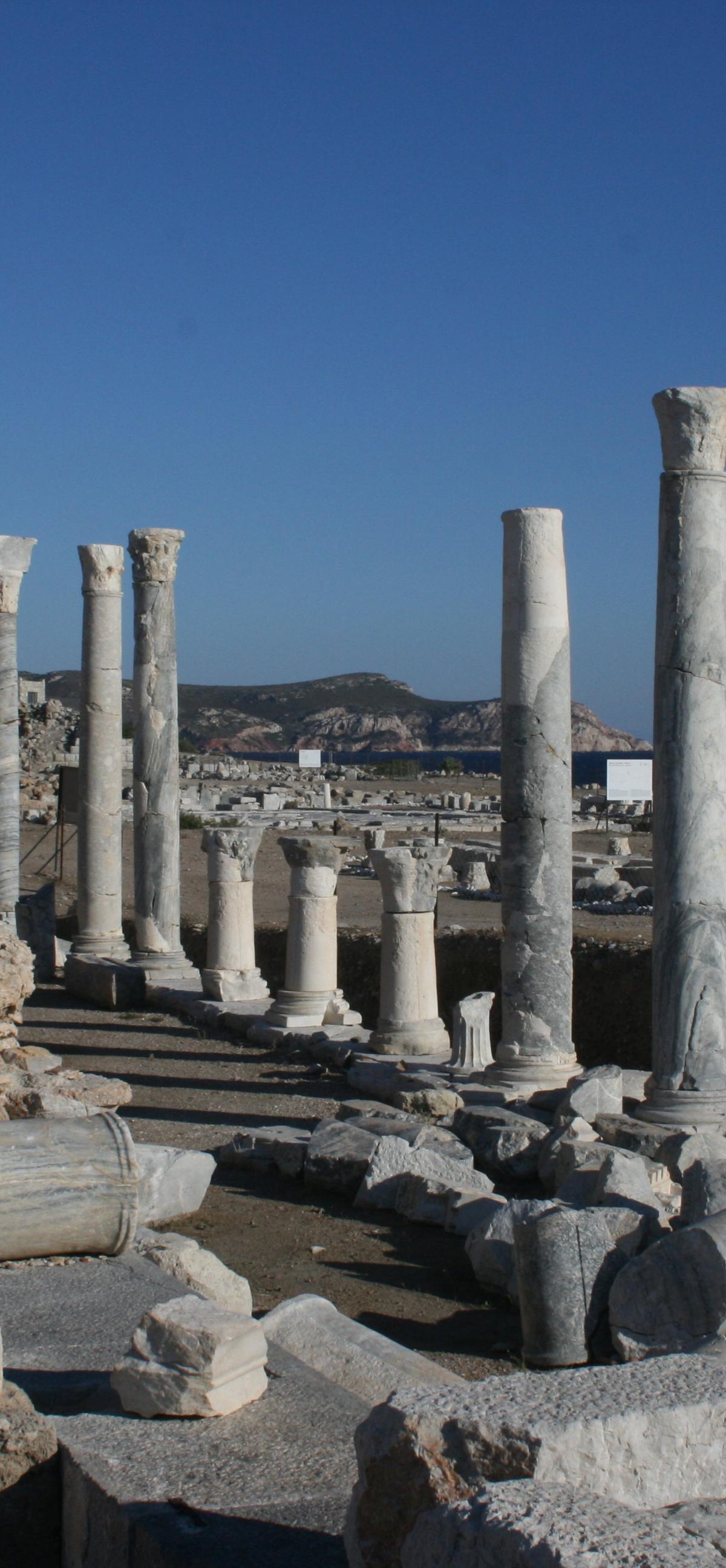
Datça & Knidos 2026: Quiet Aegean Coast Guide
The Datça Peninsula is the 80 km-long finger of land stretching west from Marmaris into the Aegean, ending at ancient Knidos where the Aegean meets the Mediterranean. It is the part of the Türkiye coast that locals reserve for themselves — no airport, no chain hotels, no all-inclusive resorts. The peninsula's 52 protected coves, almond and olive groves and the 4th-century-BC city of Knidos with its famous Temple of Aphrodite make Datça the slow-travel Aegean alternative that gets recommended once people have already done Bodrum and Fethiye twice. Why Datça is different from the rest of the Türkiye coast Datça is the only major peninsula in western Türkiye protected as a Special Environmental Protection Area (Özel Çevre Koruma Bölgesi) , which means no high-rise construction, no industrial fishing and a permanent cap on hotel-bed numbers. Combined with the 80 km drive that filters out package tourism, the result is a coastline of small pensions, family-run fish restaurants and a population of 24,000 that still triples (not octuples like Bodrum) in summer. The peninsula's nickname among Istanbul writers is Cennetin Yarısı — 'half of paradise.' Getting to Datça in 2026 — three routes From Bodrum (ferry) : the easiest. Bodrum Express Lines car ferry from Körmen Port (15 km north of Datça town) — 2h crossing, daily 09:00, return 17:00. 2026 fare: passenger ₺350 (€10), car ₺900 (€26) . The fast catamaran is passenger-only, 1h, ₺550 (€16). From Marmaris (road) : 75 km, 1h45 on the D400 over the peninsula's spine — one of the most scenic drives in Türkiye, twisting through pine forest and almond villages. From Dalaman airport (DLM) : 130 km, 2h30. Bodrum-Milas (BJV) is 130 km plus a 2h ferry. Knidos — the city of Aphrodite Ancient Knidos sits at the absolute western tip of the peninsula, where the Aegean and Mediterranean officially meet. Founded around 600 BC, Knidos was famous in antiquity for one thing: the Aphrodite of Knidos , the first life-size female nude sculpture