Çatalhöyük: World's First City — Visitor's Guide
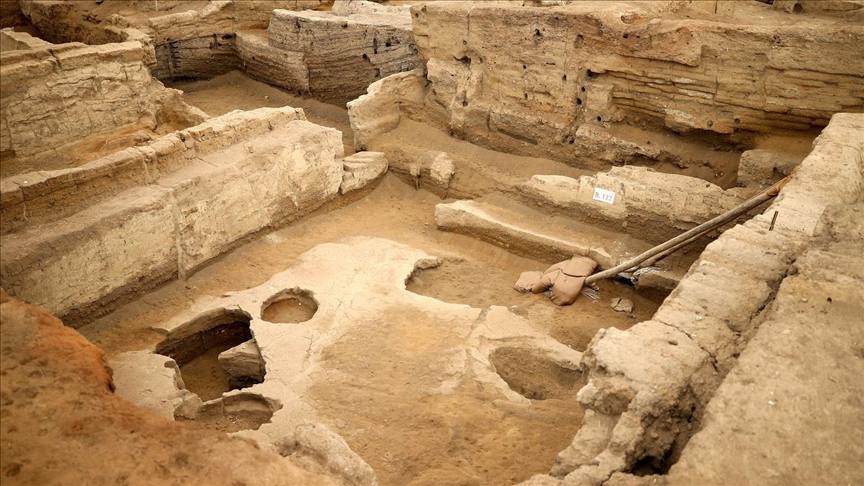
Quick Answer: Çatalhöyük is a roughly 9,000-year-old Neolithic settlement on Turkey’s Konya Plain, known for closely packed mudbrick houses, rooftop entrances, wall paintings and burials beneath domestic floors. Often called the world’s first city, it is more cautiously described as an early large settlement or proto-city. Visit from Konya to see sheltered excavations and understand how households lived together long before the monumental cities of later antiquity. Çatalhöyük, the 9,000-year-old Neolithic town, is built of mudbrick and sits under large wooden and polycarbonate shelters. It is about 45 minutes by road from central Konya, and you walk inside on wooden platforms. What is Çatalhöyük, and was it really the world’s first city? Çatalhöyük occupies two archaeological mounds on the Konya Plain in central Anatolia. The older East Mound contains the best-known Neolithic occupation, while the West Mound preserves a later settlement. The name “höyük” refers to a mound: here, successive generations rebuilt houses over earlier buildings, gradually raising the ground beneath them. The description “world’s first city” captures its importance but should not be treated as an uncontested ranking. Thousands of people lived in a dense permanent community, yet its architecture differs sharply from cities organized around streets, palaces and monumental civic buildings. “Proto-city” is useful because it acknowledges that scale without assuming the institutions of later urban societies. The distinction matters during a visit. You are not looking for a main avenue, theatre or royal residence. The central subject is the household: where people cooked, slept, made images and commemorated their dead. Çatalhöyük’s UNESCO World Heritage inscription in 2012 recognized that exceptional archaeological value. Its domestic remains offer a useful counterpoint to the streets and public monuments described in our Ephesus guide . Both illuminate community life, but they belong to very dif