Cappadocia in Winter: Balloons, Snow & Cave Hotels
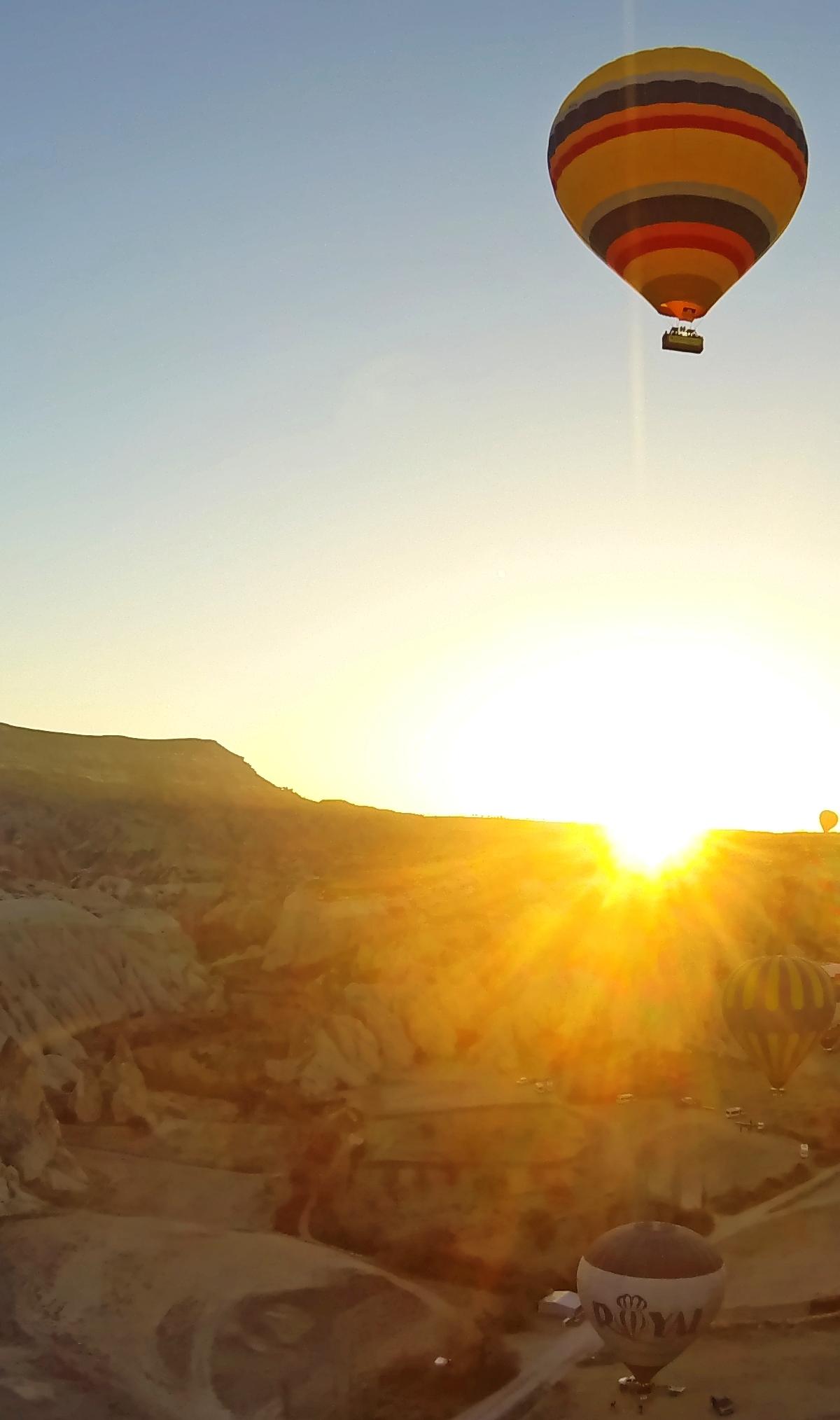
Quick Answer: Winter (December–February) is Cappadocia's most photogenic season — snow on fairy chimneys, hot-air balloons still fly on ~65% of days, and cave hotels stay toasty. Bring layers and grip-soled shoes. Why winter is underrated Snow-covered fairy chimneys 50–70% fewer tourists than summer Lower hotel rates Balloons still fly on clear mornings What to pack Thermal base layers Waterproof shoes with grip Warm gloves for early balloon rides Sunscreen (yes — snow reflects) Frequently Asked Questions Do balloons fly in winter? Yes, weather permitting. Book 2–3 morning windows for insurance. Are cave hotels cold? No — they're heated and naturally insulated. See our Cappadocia travel guide or book private Cappadocia tours . Winter logistics Item What to expect Daytime temps 2–8°C, often sunny Night temps -6 to 0°C Balloon fly rate ~65% of mornings Valley trails Open but icy in shade — grip soles required Hotel prices 30–50% below spring peaks Related guides Best time to visit Cappadocia Private Cappadocia tours What this looks like on the ground Winter in Cappadocia rewards travellers who slow down. Sunrise arrives late, so balloon pick-ups sit around 06:30 rather than 04:30, and you can still be back at your cave hotel for a long breakfast before the valleys warm up. Snow usually falls in short bursts between December and mid-February and melts off the roads within a day, while it lingers on the fairy chimneys — which is exactly the photograph most people come for. Plan two full days: one for the open-air museum, Pigeon Valley and a pottery workshop in Avanos, and one for Ihlara Valley or the underground cities, which stay a constant 12°C regardless of the weather outside. Restaurants in Göreme reduce hours in January, so book dinner before 20:00. If a balloon morning is cancelled, operators re-book you for the following day at no extra cost, which is why a three-night stay is far safer than two.