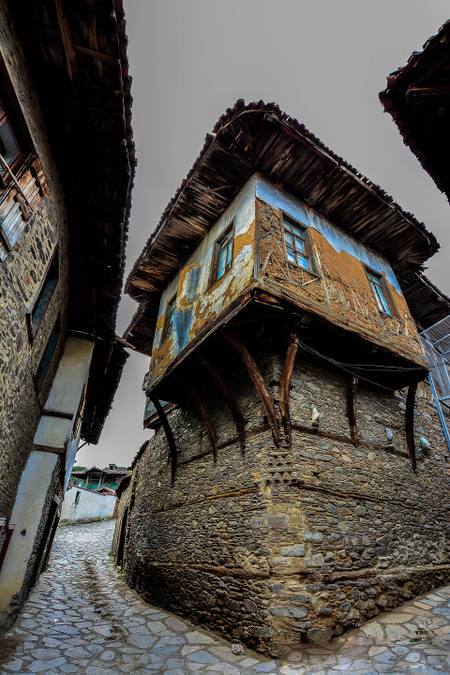
Birgi: The UNESCO Village Behind Izmir's Mountains
✓ Last reviewed: 29 September 2026 — Verified and updated by İlyas Bayrak, licensed Turkish guide (licence 070867), with the My Turkey Adventure editorial team. Prices, opening hours, transport fares and visa rules reflect the latest 2026 guidance. Quick Answer: Birgi is a beautifully preserved historical village near Izmir, recognized as a UNESCO World Heritage site for its unique blend of Seljuk, Ottoman, and Aydınoğulları Beylik architecture. Yes, Birgi, Turkey , is absolutely worth visiting for a captivating step back in time, offering magnificent mosques, opulent mansions, and cobbled streets, all nestled in a stunning mountain landscape far from the usual tourist crowds. Fact Detail Location Izmir Province, Aegean Region of Turkey . 7 km from Ödemiş. Historical Period Primarily 14th-century Aydınoğulları Beylik and 18th-19th century Ottoman. What It Is A historic rural town with timber-framed houses, mosques, and mansions. UNESCO Status Inscribed on the World Heritage List in 2022 as 'Birgi, a Historical Town'. Entry The village is free to enter. Small fees for the Çakırağa Mansion and museum; subject to change and restoration closures (last checked September 2026). Typical Visit Length 3-4 hours is enough for the village core, mosque, and mansion. A full day to include the surrounding area. Nearest Airport Izmir Adnan Menderes Airport (ADB). Driving from Izmir About 110-120 km, taking roughly 1.5 to 2 hours. Best Months April-June (spring) and September-November (autumn). What Is Birgi and Why Is It So Special? Tucked away on the verdant slopes of the Bozdağ mountains, east of Izmir, lies Birgi – a village that feels like a living museum. Unlike the coastal resorts Turkey is famous for, Birgi offers a journey into the heart of Anatolia's past. For centuries, it was a regional powerhouse, serving as the capital of the Aydınoğulları Beylik, one of the Turkmen principalities that rose after the decline of the Seljuk Sultanate of Rum in the early 14th century . T