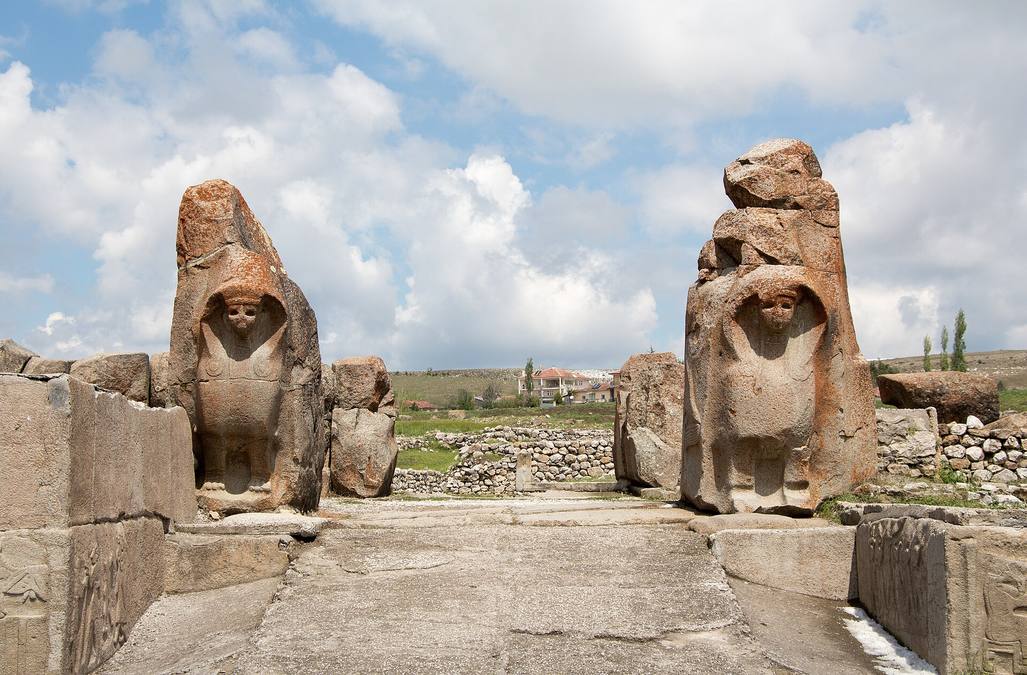
Alacahöyük: Sphinx Gate, Royal Tombs and Hittite Sun Discs
✓ Last reviewed: 29 September 2026 — Verified and updated by İlyas Bayrak, licensed Turkish guide (licence 070867), with the My Turkey Adventure editorial team. Prices, opening hours, transport fares and visa rules reflect the latest 2026 guidance. Quick Answer: Alacahöyük is a multi-layered archaeological mound in Turkey's Çorum province, revealing treasures from the Early Bronze Age royal tombs and a powerful Hittite city. It is absolutely worth visiting for its iconic Hittite Sphinx Gate and for understanding the deep roots of Anatolian civilization, especially when combined with a trip to the nearby Hittite capital, Hattuşa . Fact Detail Location Alacahöyük village, Alaca district, Çorum province, Türkiye Period / Type Archaeological mound ( höyük ) with Chalcolithic , Early Bronze Age , and Hittite layers What It Is Site of 13 pre-Hittite royal tombs and a major Hittite religious and administrative centre UNESCO Status Not a UNESCO site itself, but part of the historic Hittite heartland near the UNESCO-listed Hattuşa Entry A single ticket covers the archaeological site and the small museum. The Turkish Museum Pass is accepted (last checked September 2026) Typical Visit Length 1 to 1.5 hours, including the on-site museum Nearest Airport Ankara Esenboğa Airport (ESB) Driving Time from Ankara Roughly 3 hours (about 210 km) Best Months to Visit April-June and September-October, to avoid summer heat and winter snow What Is Alacahöyük and Where Is It Located? Alacahöyük (sometimes spelled Alaca Höyük ) is one of the most significant archaeological sites in central Anatolia and a cornerstone of our understanding of pre- Hittite and Hittite cultures in Turkey . The name itself gives a clue: in Turkish, a höyük is an artificial mound, a small hill created by millennia of successive settlements built one on top of the other. Located in the modern village of Alacahöyük, about 45 km south of the provincial capital of Çorum , this site represents a timeline stretching back